
New-Home Construction Is Barreling Toward a Standstill if Government Shutdown Continues
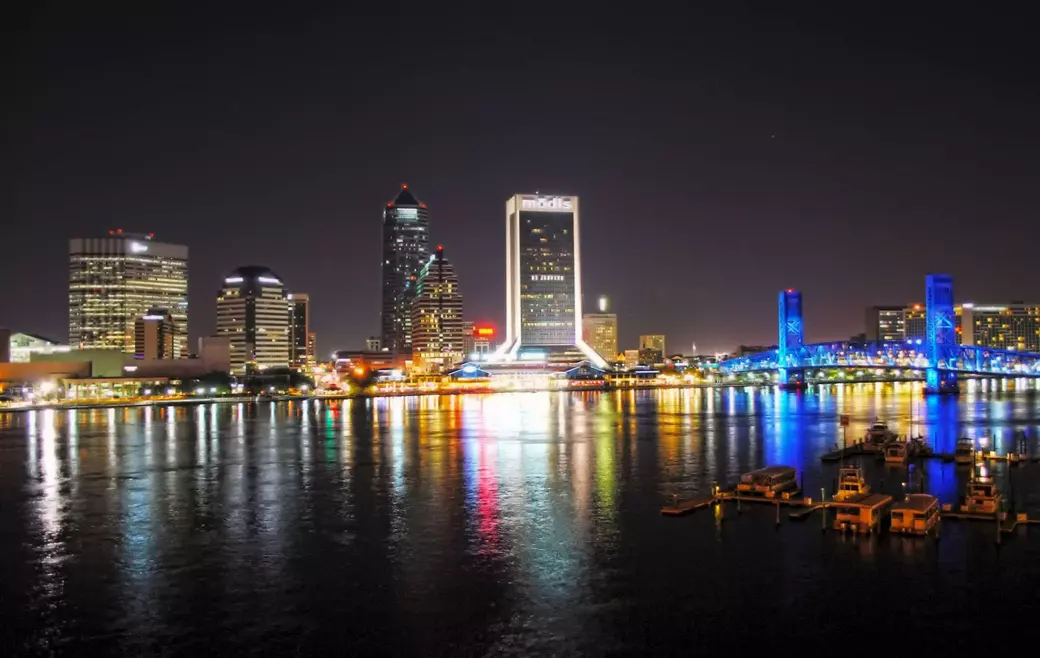
As the government shutdown stretches on, nearly 1,300 Individual Permits for construction projects of all sizes remain pending review with the U.S. Army Corps of Engineers. That’s to say nothing of the more than 1,750 additional permits under Section 404 of the Clean Water Act awaiting federal sign-off—and that’s just in Florida alone.
These are just two examples of the myriad permits, reviews, and authorizations needed for construction of all types—residential, commercial, industrial, private, and corporate alike. But with the federal agencies that issue, oversee, or coordinate these efforts operating at limited capacity, builders across the country are finding themselves stuck between compliance and quagmire.
America’s housing market is already short 4 million homes, and the looming permitting bottleneck threatens to make that gap even wider.
“Right now, the impact has been minimal, but the longer the shutdown goes, the more those reviews and permitting procedures are going to start clogging up,” explains Russel Riggs, senior regulatory representative for the National Association of Realtors®. “After four weeks, you’ll really start seeing the impacts very clearly.”
At just past the two-week mark of the shutdown, Riggs offers a prescient warning: If the shutdown drags on, the compounding delay in environmental reviews, wetlands determinations, and necessary federal coordination could leave construction crews sidelined even when financing, labor, and materials are ready—and that could have devastating effects on affordability for homebuyers for years to come.
Permits, reviews, and a race against the clock
The environmental permitting and review process that shapes where, how, and if new homes get built runs through a maze of federal agencies, including the Environmental Protection Agency (EPA), Army Corps of Engineers, Fish and Wildlife Service, and the Department of the Interior, to name just a few.
To make matters more complicated, even if those agencies don’t directly issue the permits, they may need to provide input before local jurisdictions can move forward.
Normally, these agencies work in tandem with state and local governments to move projects forward. Stormwater permits are a good example: Although these permits are often issued locally, those jurisdictions may need federal input or verification before construction can begin, explains Riggs.
But in a shutdown situation, a bottleneck forms: “If the Feds can’t provide input, then [states and locals] are kind of dead in the water as well,” he says.
When the government stops, so do the builders
Of the departments that oversee the environmental reviews, the EPA has been hit hardest. Nearly 90% of the staff has been furloughed, and under the department’s shutdown contingency plan, most environmental permits, inspections, and reviews are on pause.
It’s important to note that not every new construction project needs federal clearance. Smaller projects that use less than half an acre can typically proceed under Nationwide Permits (NWPs) that cover activities expected to cause only minimal environmental impact. These permits authorize such projects as residential fills, utility line crossings, and small commercial developments.
But cross that half acre threshold and builders trigger a far more complex Individual Permit review—one that can involve multiple agencies, public notice, and months of coordination.
The difference in timeline highlights just how necessary the NWPs are to the construction pipeline, but NWPs may not be immune from the impacts of the shutdown either.
These permits are renewed every five years, and the current set expires in March 2026. The Army Corps of Engineers has already begun work to reauthorize the next round, but a prolonged government shutdown could eat into the rulemaking window needed to finalize them on time.
“Without the federal rulemaking process continuing … that delays the time period until we'll see a final rule,” explains Evan Branosky, environmental policy program manager at the National Association of Home Builders (NAHB). “So that's just a little concerning.”
Each year, the NWPs authorize approximately 55,000 activities, according to the latest estimates from the Army Corps of Engineers. While not all of those authorizations were for residential construction, it’s safe to assume that a significant portion was—underlining just how concerning it is that the program could be delayed.
Where the housing market could feel it first
It comes at a fragile moment for home construction, as the nation’s new-home pipeline was already losing momentum before the shutdown began.
Builders pulled authorizations for roughly 1.31 million housing units in August—down 3.7% from July and 11% lower than a year ago, according to the latest Census Bureau data. Housing starts also fell to a seasonally adjusted annual rate of 1.3 million, marking an 8.5% monthly drop and a 6% year-over-year decline.
Any additional drags on the new construction pipeline, like from permit delays, could hit fast growing states hardest. Florida, Texas, North Carolina, and California are likely to feel the effects first, says Vince Messerly, the 2025 chairperson of the Environmental Issues Committee at the NAHB.
Those four markets represent a disproportionate portion of America’s new housing growth—accounting for over 40% of the share of new-home permits in 2024, according to the Realtor.com® Affordability and Homebuilding: State-by-State Report Cards.
If the shutdown lingers, their builders could be among the first to see projects pushed off schedule and homebuyers priced further out of reach.
How delays erode builder, lender, and buyer confidence
For now, the shutdown’s permitting slowdown is more psychological than structural, but that’s often how housing stress begins.
“The housing market is already on uneasy ground, so this just only adds to that uneasiness and makes builders less confident, makes lenders less confident and buyers less confident,” says Messerly. “It's just a ripple effect of everything.”
And that uneasiness can come at a financial cost.
“Even in normal times, environmental reviews result in construction delays and added costs for builders,” explains Realtor.com senior economist Jake Krimmel. “Layering government shutdown-related delays on top of recent lumber tariffs means that builders are facing yet another cost increase.”
A permit or environmental review delay doesn’t stop land-carrying costs from rising or construction loans from racking up interest. That can take a toll on developers and a market where supply is already short.
Still, builders are showing signs of cautious optimism. The National Association of Home Builders/Wells Fargo Housing Market Index rose five points in October to 37, the highest reading since April.
“The market remains challenging,” Buddy Hughes, a builder from Lexington, NC, said in an NAHB press release about the index. “Most homebuyers are still on the sidelines, waiting for mortgage rates to move lower.”
That blend of optimism and fragility captures where the industry stands: encouraged by improving rates, but still vulnerable to the shutdown’s drag.
“In the short run, this small bottleneck of delayed permits could result in less new construction and/or smaller projects, as builders bear the costs,” says Krimmel. “In the longer run though, these increased development costs could be passed on to homebuyers too.”
Bolstering builders is more important than ever, as homebuyers still struggle to compete against high home prices and mortgage rates. But the government shutdown could get in the way of their long awaited comeback.
In Krimmel's words, “It's another hit to builder sentiment at a time when many cards are already stacked against them."
Categories
Recent Posts


"My job is to find and attract mastery-based agents to the office, protect the culture, and make sure everyone is happy! "