
Why Painting Your Home Exterior in the Winter Isn’t the Worst Idea
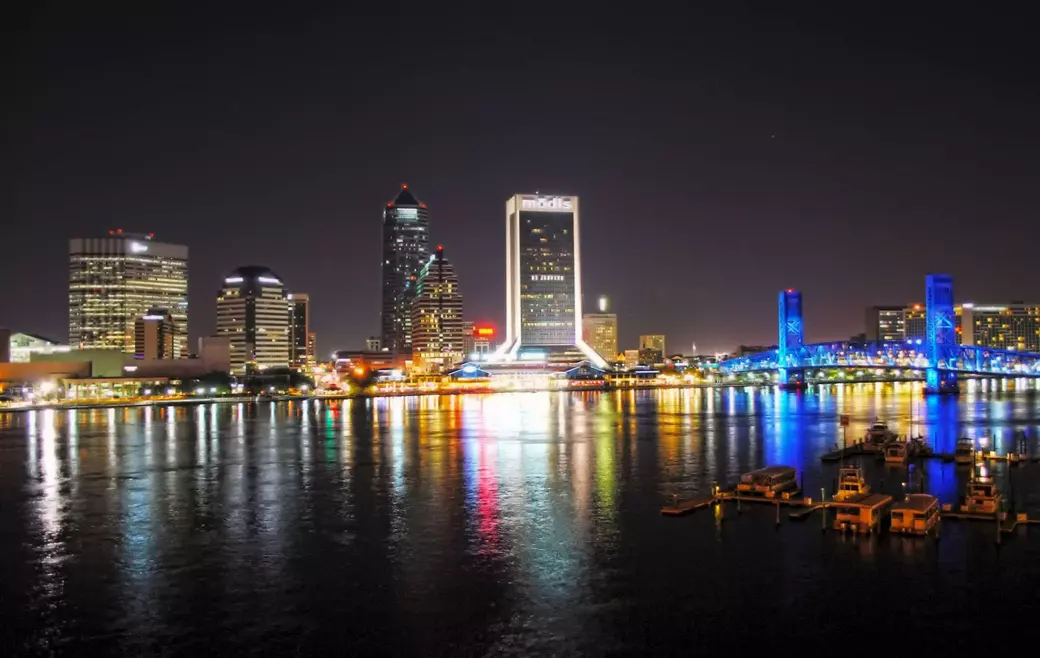
When most people decide to paint the outside of their home, they automatically wait for warmer weather.
What many don’t realize, however, is that exterior painting in the winter can actually be a good idea depending on where you live—and in some cases, save you some serious cash.
“Painting in the winter can lead to 20% off labor costs if you happen to find contractors during a slow period,” says Danny Niemela, vice president and CFO at ArDan Construction in Scottsdale, AZ.
While it might be tempting to go ahead and jump on this opportunity to save, be sure to evaluate your local climate and timing, as these two factors can make or break your final results.
When winter exterior painting makes sense—and when it doesn’t
When it comes to exterior painting in the winter, the climate can be your best friend or worst enemy.
According to Niemela, winter months in Southwest states such as Arizona or New Mexico may be your golden ticket for painting conditions. If you’re in the Midwest, in a place like Ohio or Michigan, however, you should probably wait till it’s warmer as dew, ice, and snow all halt the curing process, which is essential for any exterior paint job.
“If I were to give painting advice to someone in Virginia or Tennessee, I would actually suggest mid-to-late winter over spring because you dodge most rain and pollen delays. Coastal homeowners may also benefit from winter painting as long as humidity levels are low,” says Niemela.
The money savings due to reduced demand is just one benefit of winter exterior painting.
As a “bonus, you’ll find that the paint dries slower and adheres stronger than in the warmer months, allowing for longer-lasting results,” explains Bill Nishanian, owner of Nash Painting in Nashville, TN.
Pro tips for exterior painting in the winter
If you do decide to tackle your exterior painting project during the winter, understand that prep work is 90% of the battle. Cleaning, sanding, and prepping the surfaces for paint in colder, damper conditions take more time and patience.
“Plan on spending at least 20% more time on prep work and painting in the winter months,” explains Niemela.
Whatever you do, make sure you use paints formulated for cold weather with low-temperature agents as this will help prevent defects down the road. And once you buy your paint, be careful with the temperature recommendations as they're often misleading.
A can of paint may say it’s safe to apply in 35 degrees Fahrenheit, but this factors in only air temperature—not surface temperatures as well.
“A shaded exterior wall on a 40-degree Fahrenheit day can still be below freezing (like 28 degrees) until the sun hits it. If paint is applied then, it can thicken, freeze, or fail to bond—basically turning an expensive gallon into trash,” says Niemela.
If you want quality results in the winter, you basically have to be an amateur meteorologist.
“We monitor the temperature forecast for the day and overnight. We also monitor humidity. Humidity above 80% is not recommended for exterior painting, especially in winter,” says Nishanian.
Nishanian points out that if it’s been very cold at night and everything is wet in the morning, his painting crew starts later—prep work is usually at around 10 a.m. while paint application starts at 11 a.m.
Ultimately, a cold, wet, highly humid paint job almost always means a failed paint job. To avoid one, keep a close eye on the weather, work during the midday when walls are the warmest, and store paint indoors or in a heated trailer.
Categories
Recent Posts


"My job is to find and attract mastery-based agents to the office, protect the culture, and make sure everyone is happy! "
1637 Racetrack Rd # 100, Johns, FL, 32259, United States