
DC City Council Considers Esoteric Tax on Land Values in a Bid To Boost New Development
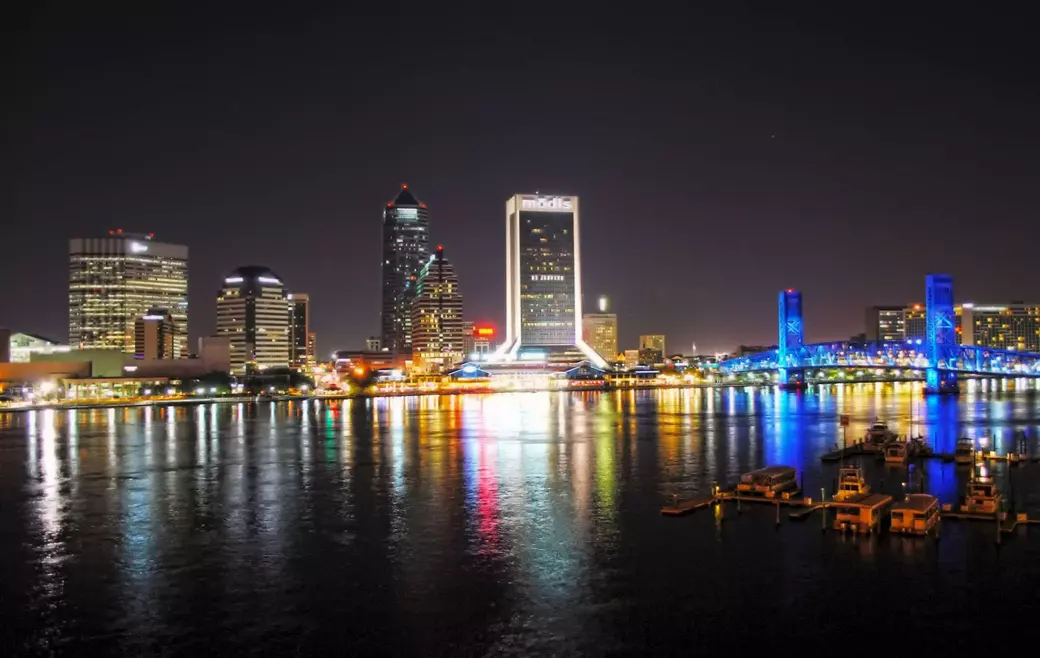

The District of Columbia could tax land and buildings separately, in a bid to encourage development as Congress tries to cut its ability to raise other taxes.
Councilmember Brianne Nadeau introduced a bill last week to shift DC's property taxes to a land tax system. Under that system, the value of the land and the improvements upon it are taxed separately and at different tax rates.
The Chicago Fed recently studied land value taxation, which is an uncommon system in the U.S. Proponents say taxing land separately would encourage owners of empty lots to build on the land. Otherwise, they have a tax incentive to keep the land vacant and avoid higher taxes. The Fed suggested a land tax system could also reduce the tax burden for homeowners.
The DC Policy Center studied it, too, and found it could shift the tax burden to parts of the city with more amenities. The idea's been floated a few times before, but it could be tough to implement.
Nadeau said in a note on the bill that it could encourage development in DC.
"A land-value or split-rate system would improve tax equity and affordability across the District, and—because new construction would not be immediately penalized with a higher tax burden—would incentivize growth and improvement to the District’s housing stock, and help to stabilize downtown and commercial real estate recovery," Nadeau said.
It's also a bid to help the city compete with its suburbs in Virginia and Maryland. The DC housing market is significantly more expensive, with a median listing price of $589,721. The Realtor.com® state-by-state report card gave the city a D+ this year.
District challenges
The land tax is part of a larger bill aimed at altering property taxes, which are an outsized part of the district's budget. And it comes as the government faces possible constraints from Congress on how it raises money.
Nadeau wants DC to begin collecting property tax from residents on a quarterly basis instead of twice a year, like it currently does. This would help the city have a better understanding of its revenue and outlays.
Property tax is one of the district's main sources of revenue, but it's been flat due in part to the decline in the value of office buildings.
The office-focused economy of the district stagnated during the COVID-19 pandemic, and it has not recovered. Many federal government agencies based in DC never returned to the office. President Donald Trump's purge of federal employees further stagnated the local housing market.
It also sent more workers to private companies in the suburbs. However, the federal government is also selling off large government buildings in DC, so they can be redeveloped for private uses that would generate more tax. Meanwhile, the city has relatively few options for large-scale housing development such as the land around the new Commanders stadium.
And congressional Republicans introduced a bill that would give them broad authority to review any taxes that DC considers. They claim it's an effort to prevent the district from using tax increases to overcome budget shortfalls.
The district's budget is partly funded by the federal government, and this year it is facing a $1 billion shortfall as federal funding is cut.
Categories
Recent Posts


"My job is to find and attract mastery-based agents to the office, protect the culture, and make sure everyone is happy! "