
Heat Dome Drives Record Temperatures and Higher Electric Bills
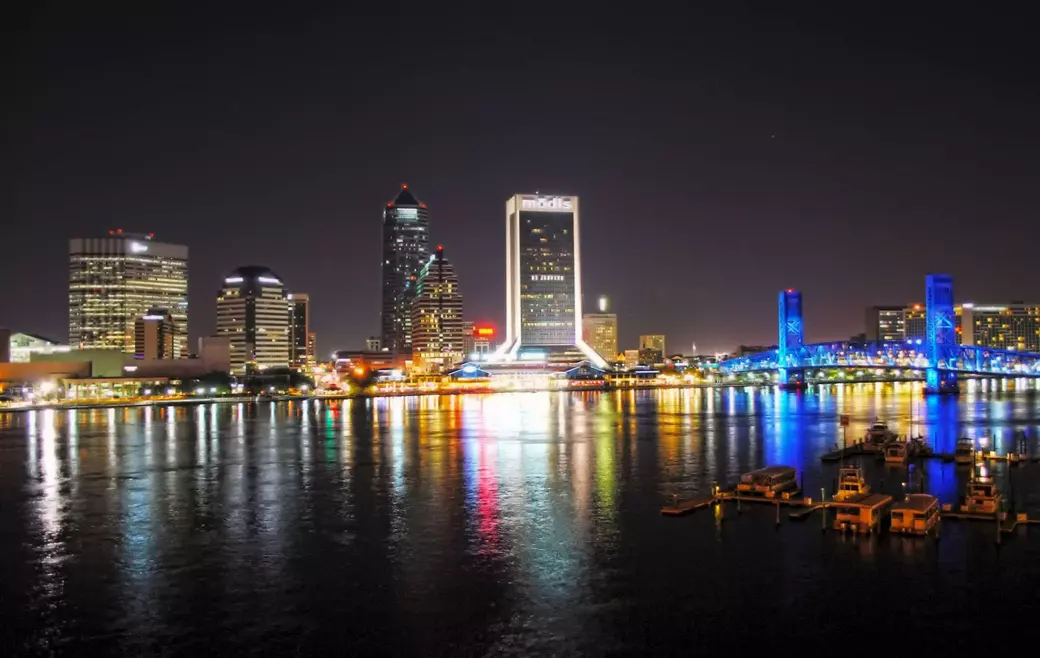

A sprawling heat dome is driving record-high temperatures across the country—and with it, soaring power costs.
In Phoenix—home to 1.7 million people and the country’s fifth-largest city—temperatures are expected to reach 113 degrees. By the end of the week, they will top 116 degrees, approaching record highs.
The Valley of the Sun isn’t alone, either. An estimated 98 million Americans—mostly across the Southwest, Southern Plains, and Texas—could face major or extreme risks from heat, according to the National Oceanic and Atmospheric Administration's HeatRisk.
And while Sept. 1 marks the start of meteorological fall, forecasters say the punishingly hot conditions could stretch through the first week of the month.
In hundreds of counties across the South and West, the annual cost of cooling a home has already risen by more than $105 since 2018. Now, another stretch of triple-digit heat is forcing air conditioners to run harder and longer at the same time electricity itself costs more.
A 'summer of the century' spills into meteorological fall
A heat dome is almost exactly what it sounds like: A large, persistent area of high pressure settles over a region and acts like a lid on the atmosphere.
Air sinks beneath that high-pressure system, compressing and warming as it descends. At the same time, the system suppresses clouds and rain and can push other weather systems around it, allowing heat to build near the surface for days or even weeks.
A strong upper-level ridge will remain anchored over the Southwest and South Central U.S. through late this week, according to NOAA. That lid, so to speak, will bring highs of 100 to 110 degrees across the Southern Plains and highs up to 115 degrees in parts of the Southwest. Texas and the Southern Plains will also face major to extreme HeatRisk.
The conditions will likely persist into September, with the probability of extreme heat surpassing 60% from the Southern Plains and Southern Kansas east into the Lower and parts of the Middle Mississippi Valley.
It's what NOAA describes as a “long-duration” event, warning some areas face the potential to experience temperatures more typical of midsummer through the first week of the month.

High temperatures collide with an energy crisis
The heat dome is casting its sweaty shadow over a growing number of Americans. Nine in 10 adults say extreme heat has affected at least one aspect of their lives—up from 8 in 10 two years ago, according to a recent survey from AP-NORC.
The biggest impact was on electricity bills: 81% of Americans said extreme heat had affected their bills, a 12-point jump from 2024. The share who said the impact was major grew by 7 points, as compared to 5-point growth for those who noticed only a minor impact.
It's no surprise why. Just as households are using more electricity to cope with extreme heat, the cost of electricity itself is getting more expensive.

From 2018 to 2024, the average annual cost of cooling a home increased by more than $105 in 376 counties across Alabama, Arizona, Arkansas, California, Florida, Hawaii, Louisiana, Mississippi, Nevada, Oklahoma, and Texas, according to a new Duke University analysis.
In California’s Imperial, Riverside, and San Bernardino counties, cooling costs jumped by as much as $120 a year over that period. Higher electricity rates accounted for 87% to 94% of those increases, while hotter weather and greater cooling demand accounted for 6% to 14%.
And the pressure is expected to continue. The report cites projections that average U.S. cooling costs will rise an additional 8.5% in 2026. In the South Atlantic, they're projected to jump 13.5% from last summer.
Already, households are showing signs of distress. Utilities sent 94.6 million final shut-off notices to electricity customers in 2024, according to the Energy Information Administration. And 13% of households reported keeping their homes at unhealthy temperatures because they couldn't afford higher energy bills, according to federal data cited by the Duke researchers.
But as the heat dome lingers, that trade-off is getting harder for families to make. In parts of the West and Southwest, Duke notes, temperatures already exceed the threshold at which electric fans can protect people from heat—making air conditioning a true necessity.
Categories
Recent Posts


"My job is to find and attract mastery-based agents to the office, protect the culture, and make sure everyone is happy! "