
Fed Chair Warns High-Risk States Could Become Mortgage Deserts in as Little as 10 Years—Making Homeownership Impossible

Alex Wong/Getty Images
Federal Reserve Chairman Jerome Powell has warned that mortgages will be difficult—if not impossible—to secure in some high-risk areas in the future.
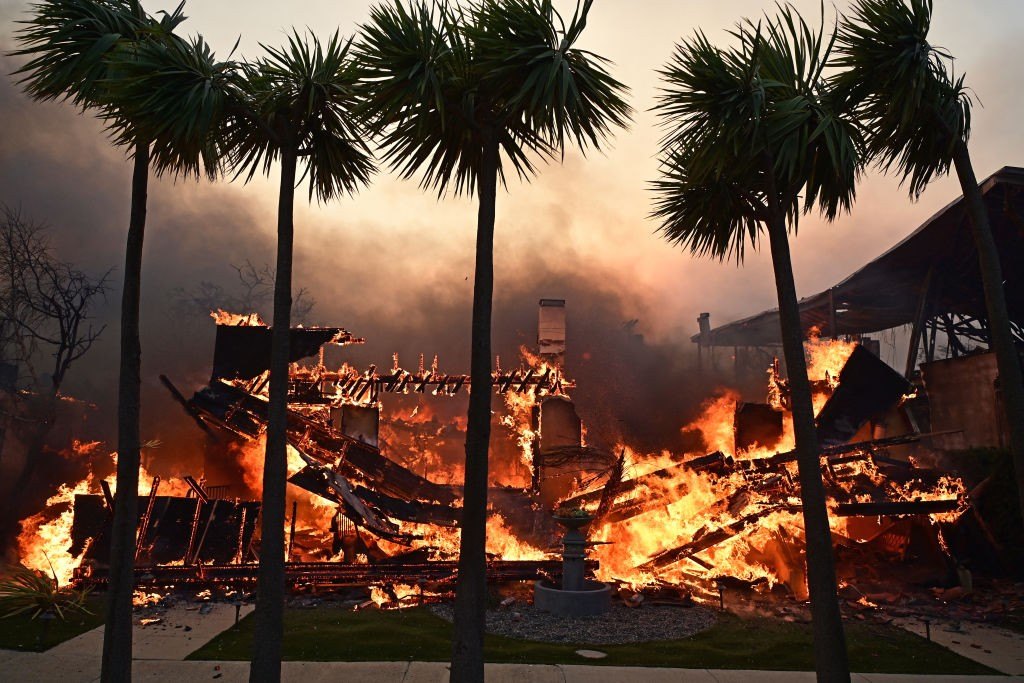
As storms and wildfires pummel certain areas of the country, causing insurance rates to skyrocket, particularly in Florida and California, the chairman foresees a day when many areas will have turned into mortgage deserts.
“Both banks and insurance companies are pulling out of coastal areas or areas where there are a lot of fires,” he said at Tuesday’s congressional hearing.
“What that is going to mean is that if you fast-forward 10 or 15 years, there are going to be regions of the country where you can’t get a mortgage,” he told the banking committee.
The dystopian vision of large swaths of the country where mortgages are simply not available was one conjured up when Democratic Sen. Tina Smith of Minnesota asked about insurers that have pulled out of high-risk areas such as California and Florida, and what that will mean for people trying to get mortgages.
(AGUSTIN PAULLIER/AFP via Getty Images)
In the question and answer portion of the hearing, Smith said her constituents are struggling with a 40% increase in insurance rates in the past seven years, which she attributes to climate change and extreme weather events.
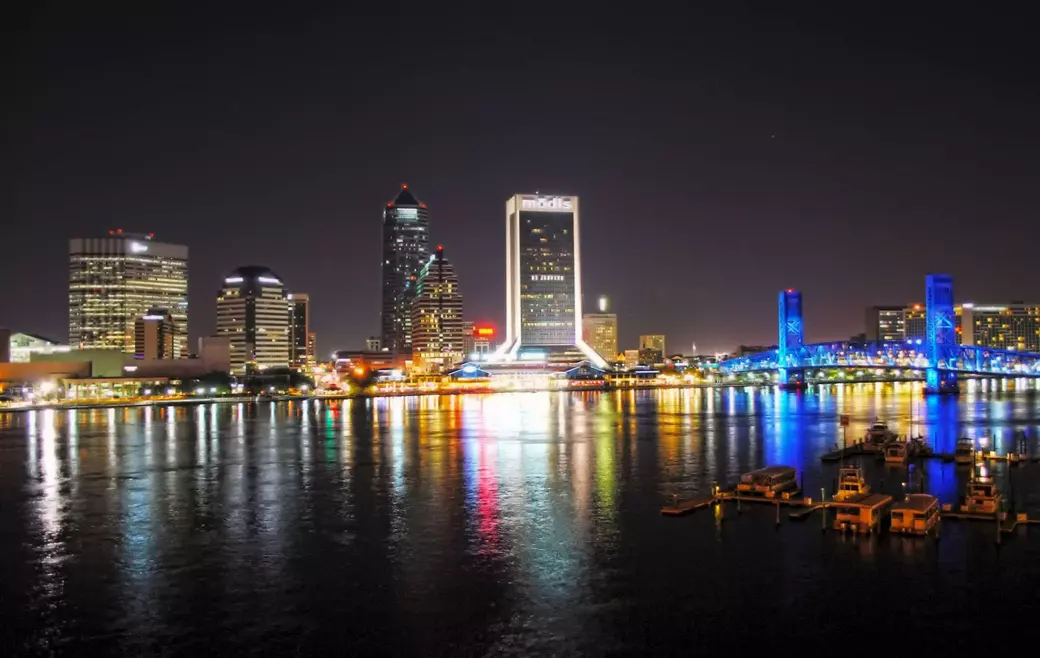
According to climate risk analysis firm First Street, between now and 2055, insurance premiums are projected to skyrocket in many areas, including in Miami, jumping 322% from current levels, followed by Jacksonville, FL (226%), Tampa, FL (213%), New Orleans (196%), and Sacramento, CA (137%).
“I don’t know anyone who doesn’t see this crisis of rising insurance rates as not being caused by extreme weather events,” she said, noting extreme flooding in her state. “These are climate-related events. That is not a political position. That is just a fact.”

(MIGUEL J. RODRIGUEZ CARRILLO/AFP via Getty Images)
She also noted, however, that “the other side of the aisle” (meaning Republicans) consider climate change to be a “political” issue.
How ‘climate abandonment’ zones could create mortgage deserts
Smith notes that banks require homeowners to have home insurance before they will fund a house purchase. Without insurance, there could be no mortgages and, therefore, no homeownership.
She went on to call attention to a recent analysis by First Street, which warned that $1.4 trillion will be shaved off the value of U.S. real estate within the next years due to this domino effect.
Top “climate abandonment” zones, where people will flee as the value of their property plummets, include Fresno County, CA, with projected home value losses of 10.4% and a population decline of 46% over the next 30 years, Ocean County, NJ (-33% population); Monmouth County, NJ (-32% population); Sacramento County, CA (-28% population); and Jefferson County, AL (-26% population).
“What is going to happen when insurance becomes unaffordable or—in some parts of the country— literally unavailable?” she asked the chairman. “What impact will that have on the mortgage markets?”
Powell admitted that banks would likely make mortgages unavailable in parts of the country, and even pull up stakes entirely, leaving behind mortgage and bank deserts.
“The risk is that [mortgages and banks] just won’t be there. People won’t be able to get them. That is really the issue,” he said.
“There won’t be ATMs, the banks won’t have branches,” he went on. “That’s a possibility coming up down the road. The banks won’t stay there and keep making loans in the face of disaster. The insurance companies won’t continue writing policies. They can cancel those policies every year.”
Who pays the price?
As for the onus of the costs of a disaster befalling a property, “that will fall on homeowners and residents, but also state and local governments,” Powell told the committee.
“You see that happening now,” he said. “States are stepping in where private insurance is going away. They want those areas to remain prosperous. It certainly will have significant economic consequences.”
Categories
Recent Posts


"My job is to find and attract mastery-based agents to the office, protect the culture, and make sure everyone is happy! "