
Government Shutdown Forces Homebuyers Back Onto Sidelines in Hardest Hit Markets
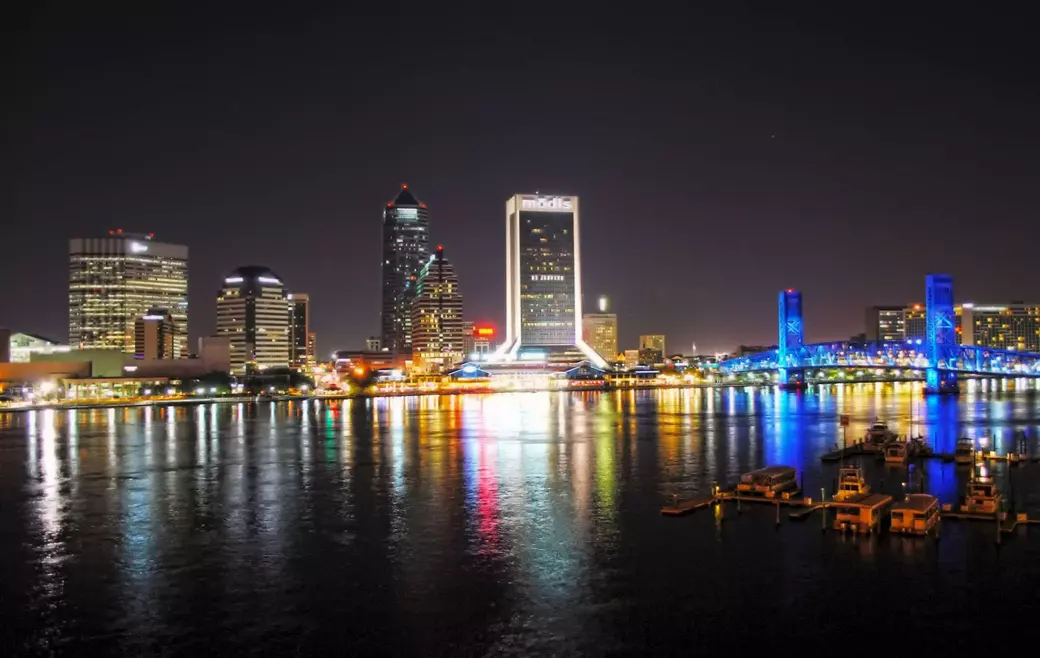
As the government shutdown nears the one-month mark, housing markets with the highest concentrations of federal workers are starting to feel the pain, with fewer new listings and declining buyer interest.
Washington, DC; Virginia Beach, VA; Oklahoma City, OK; and Baltimore all saw dips in housing activity in October, according to the latest data analyzed by economists at Realtor.com® as part of the latest monthly housing market trends report.
The obvious common denominator among those four metros is that they are home to the most federal employees in the U.S., led by DC with 11% of the city’s employed population, according to Bureau of Labor Statistics numbers.
Virginia Beach is a close second, with 7%, followed by Oklahoma City, with 4.2%, and Baltimore, with 3.7%. All three cities are home to large military installations or major federal agencies.
Realtor.com senior economist Jake Krimmel says October housing figures show that the real estate sectors in these four markets are starting to show early signs of softness as the shutdown drags on.
"New listings and buyer searches have slowed in these metros as uncertainty around paychecks weighs on confidence, even as broader market trends remain largely unchanged," says Krimmel.
Buyers hit the pause button
The standoff in the capital, which began Oct. 1 after Republicans and Democrats failed to pass a new budget, put numerous public services and federal programs on pause, and resulted in hundreds of thousands of federal workers being furloughed and having to go without paychecks.
To capture shifts in housing trends since the beginning of the shutdown, economists looked at month-over-month changes in several categories, including new listings, page views per property on Realtor.com, median list price, and days on market.
New listings—a measure of sellers putting their homes on the market —plunged roughly 14% from a month ago in DC, the most among the four metros hit hardest by the shutdown.
In addition, the typical for-sale home in the capital drew 11.5% fewer views on Realtor.com compared to September, suggesting that house hunters were hesitating to start or continue their home search during this time of uncertainty.
Oklahoma City, Baltimore, and Virginia Beach saw more modest pullbacks in new listings, ranging from 1.4% to 5.1%, but the declines in page views per property were similar to DC, at just around 10% month over month.
Prices and inventory levels remain steady
On a more positive note, key housing metrics like median list price, overall inventory, and days on market have experienced little movement from pre-shutdown levels and were mostly in line with national and regional trends.
For example, while median list prices edged down in Washington (-0.9%), Virginia Beach (-0.7%), Oklahoma City (-0.2%), and Baltimore (-0.6%), these losses mirrored national and seasonal pullbacks
“Local price stagnation is likely not due to the shutdown itself but rather broader housing market pressures," says Krimmel.
DC's overall inventory ticked up month over month, at 0.3%, with Oklahoma City and Baltimore seeing marginally bigger gains, at 1.7% and 1.3%, respectively, while Virginia Beach's active listings fell 2%.
For comparison, nationally, active listings in October were flat month over month and 0.3% in the South.
"The shutdown seems to have pressed pause, not stop, on housing market activity. Homebuyers and sellers are likely delaying, rather than canceling, their home search or list process," concludes Krimmel.
However, the economist forecasts that if the political impasse continues for much longer, the housing market dynamics in the most exposed markets could shift further, especially in the capital.
National inventory growth slows
On the national level, October marked the 24th consecutive month of inventory growth, with active listings surging 15.3% from a year ago, but the pace of growth continued losing momentum.
Despite mortgage interest rates falling to 12-month lows, the typical home spent 63 days on the market in October, up five days from a year ago, signaling that buyers remained on the fence.
Florida experienced the biggest slowdown, with the typical home in Miami waiting for a buyer 13 days longer than a year ago. Orlando, FL, was a close second with 12 extra days on market.
Meanwhile, the national median list price edged up just 0.4% year over year to $424,000 but was down month over month.
Categories
Recent Posts


"My job is to find and attract mastery-based agents to the office, protect the culture, and make sure everyone is happy! "