
Playing With Fire: How Backyard Fireworks Celebrations Risk Costly Property Disasters
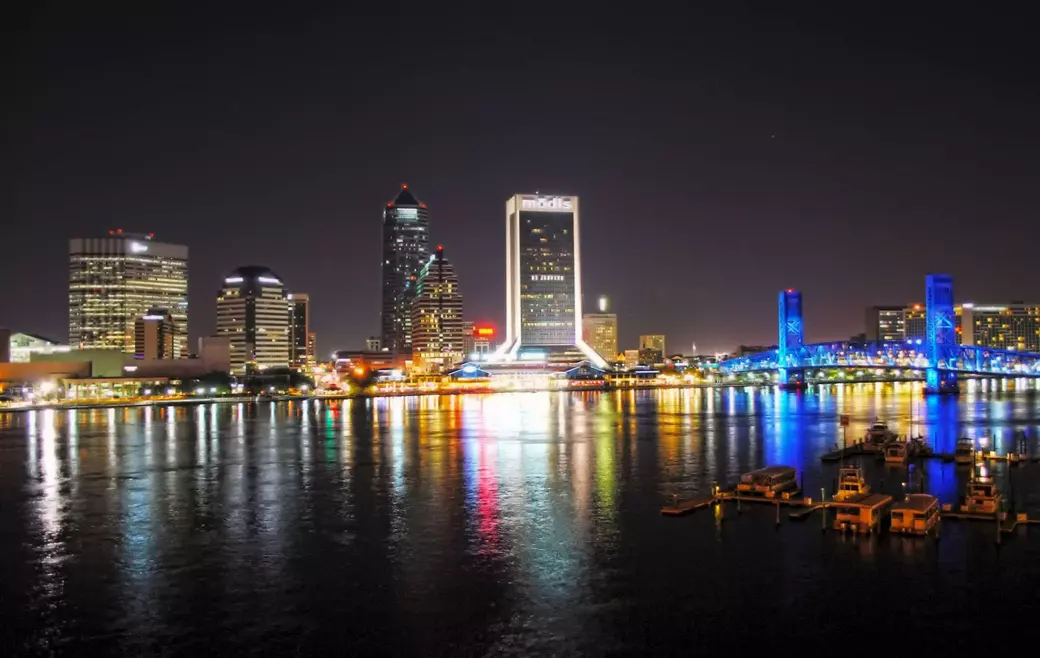

A fireworks display in your own backyard may seem like the perfect way to celebrate the Fourth of July.
If you’re not careful, however, it can quickly turn into a costly disaster that your home insurance may or may not cover.
In 2024, the National Fire Protection Association (NFPA) estimated that fireworks started 34,079 fires, which resulted in $98 million in property damage.
And unsurprisingly, AAA (Auto Club Group) urges homeowners to get familiar with the dangers of backyard fireworks and the specifics of their home insurance policy.
“Even well-planned fireworks displays can end in injury or property damage,” said Adrienne Woodland of AAA in a recent Carrier Management article. “Before the celebration begins, be sure to understand your insurance coverage and take steps to limit potential risk.”
By knowing the risks of lighting your own fireworks and taking a few precautions before you set them off, you can protect your home, finances, and loved ones this Independence Day.
Does home insurance cover damage from fireworks?
Fortunately, most standard homeowners' insurance policies will cover fire damage caused by fireworks as well as any related injuries guests may face.
However, there is a huge caveat.
“If the fireworks were illegal in your state or municipality, your insurer may deny the claim entirely. Using prohibited fireworks is a willful act, and insurers are not obligated to cover losses resulting from illegal activity,” explains Kristine Pokrandt, insurance agent at Goosehead Insurance in Highwood, IL.
Edward Susolik, CEO, president and trial attorney at Callahan & Blaine in Irvine, CA points out that in California specifically, several counties passed ordinances that make homeowners responsible for illegal fireworks used on their property and injuries that stem from them.
“Most homeowners seem to think that the worst case is that their insurer won’t pay. However, in some counties like Sacramento or Ventura, they could face fines and other legal issues if illegal fireworks occur on their property—even if someone else lit them,” explains Susolik.
So, the moral of the story is to determine the residential laws in your local area and don't automatically assume your home insurance policy will cover everything.
“Spending a few minutes reviewing your policy before the holiday weekend and leaving firework displays to the professionals could save you from a financial nightmare,” Pokrandt adds.
How to reduce the risk of fireworks-related disasters
Once you review your home insurance coverage and confirm backyard fireworks are allowed where you live, there are a few steps you can take to reduce the risk of a fire and expensive claim.
First, make sure the fireworks you buy are legal.
“These have a label with the manufacturer’s name and instructions for use. Illegal fireworks aren’t designed for consumer use because they’re dangerous to handle,” says Courtney Klosterman, home insights expert at Hippo Insurance in San Jose, CA.
Then, remove all leaves, debris, and combustible materials from the area you plan to launch the show.
Next, Steven H. Craft, Jr. founder and principal of Lucleon Insurance in Destin, FL recommends you ensure there’s a garden house and properly rated fire extinguisher nearby.
When it comes time to actually use the fireworks, Klosterman suggests you read the manufacturer’s instructions closely, wear protective eyewear, and stand at least 15 feet away from any people, structures, and flammable items.
“Once you’ve lit the fireworks, thoroughly soak them in buckets of water for a few hours before discarding them in the trash, and check your yard and roof for any burning debris in the hours after use,” Craft adds.
Categories
Recent Posts


"My job is to find and attract mastery-based agents to the office, protect the culture, and make sure everyone is happy! "