
Rhode Island Has No Affordable Cities Left for Homebuyers or Renters Due to Construction and Zoning Hurdles
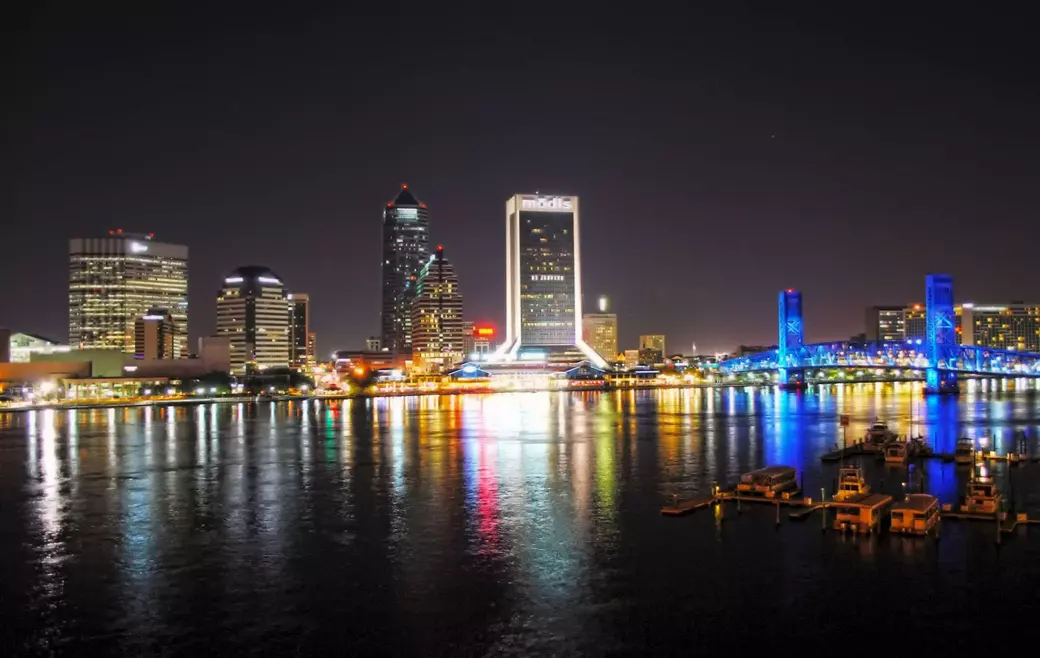
Chris Whitten has three children in their late teens and early 20s who are edging into adulthood, but it's not the prospect of becoming an empty nester that keeps him up at night—it's the fear that none of them will be able to buy or even rent a home in their home state of Rhode Island.
Whitten, the 2025 president of the Rhode Island Association of Realtors® and owner of Premeer Real Estate in Smithfield, RI, says he does not envision his kids getting their own places in the next five to seven years unless they land exceptionally well-paying jobs.
"It's just the reality of where we're at," Whitten tells Realtor.com®.
Rhode Island, the nation's smallest state, is made up of 39 municipalities, including 31 towns and eight cities, and not one of them is affordable for the typical resident to purchase or lease property, according to the 2025 Housing Fact Book recently released by HousingWorks RI at Roger Williams University.
Based on 2024 median single family home prices, the typical household would need an annual
income close to $130,000 to purchase a home affordably anywhere in the Ocean State with a fixed 30-year mortgage rate, Federal Housing Authority (FHA) financing, and localized rates for hazard insurance and property taxes.
The trouble is, the median household income in Rhode Island is roughly $86,000.

The affordability gap is widest in New Shoreham, RI— the only town on the tiny Block Island, located 12 miles off the mainland—where researchers determined that the annual income required to buy a home without financial strain was over $521,000.
The most recent housing data from Realtor.com echoes those findings, revealing that Block Island was the most expensive market in Rhode Island, with a median listing price of $3.5 million.
On the other hand, Pawtucket, RI, was the state's most budget-friendly municipality, with a median price of just over $393,000. According to the HousingWorks RI report, a household bringing in about $128,000 per year could purchase a home in Pawtucket without breaking the bank.
But it’s not just homebuying in Rhode Island that is beyond the reach of the typical family; for the first time this year, renting has become unaffordable throughout the state as well.
The latest data show that affordably leasing an average-priced two-bedroom unit, including utilities, requires an income of more than $60,000, which exceeds Rhode Island's renter median income by roughly $12,000.

"To some, these statistics are shocking,” says Whitten, who has worked as a real estate agent in New England for the last 17 years. "To us, [agents] who are boots on the ground, it's not surprising at all, as it's been kind of a growing concern we've had for almost a decade now."
Realtor.com senior economic research analyst Hannah Jones explains that limited for-sale inventory has kept steady upward pressure on home prices in Rhode Island since the pandemic. In October 2019, roughly 3,500 homes were listed for sale statewide. Six years later, that number had plummeted to about 1,700.
"With so few homes available, buyers are competing more intensely, driving prices higher," she says.
The result of this severe supply and demand imbalance, according to the housing report, is that a third of all Rhode Island households—or 142,920—are cost-burdened, having to spend more than 30% of their income on housing.
Among these households, 44% are severely cost-burdened, with half of their income going toward housing.
What ails Rhode Island?

Jones and Whitten agree that Rhode Island's housing woes are caused by a combination of limited home supply, strong demand, and strict zoning regulations that constrain new construction.
On top of that, Rhode Island does not have a sufficiently robust job market to reliably support incomes high enough to put homeownership within reach of the typical family.
"We are continuously losing companies going up out of state, and on the flip side, we have more and more people that want to call Rhode Island home," says the agent. "It's a beautiful place."
Whitten notes that the small New England state has recently been drawing outsized attention from entertainers and media personalities—from Taylor Swift’s purchase of an $18 million mansion in Westerly, RI, more than a decade ago to the arrival of "The Real Housewives" franchise.
"A lot of eyes are on Rhode Island," adds the agent, "but there's not enough housing to support [the demand] and not enough jobs to support it."
With inventory as tight as it is, finding affordable homes is challenging, and those that do show up on the market are quickly snapped up, typically for cash or with "very, very heavy down payments," Whitten says.
For aspiring homebuyers looking to settle down in Rhode Island, shopping for a home there can be a frustrating experience because they have to contend with intense competition for a limited number of top-dollar listings.
"We're seeing a lot of our buyers that just keep swinging and missing," says Whitten. "It's getting out of hand for those buyers that came to us looking to own a home and get into the market, and now they just have to hang it up and wait and see what happens: whether they get a raise, whether the situation changes, or whether the home prices come down, which we are not seeing any time soon in Rhode Island."
A closer look shows that relatively affordable homes can still be found in towns like Pawtucket, Coventry, and Warwick, but budget-conscious buyers often need to compromise, opting for smaller lots or fewer bedrooms.
A growing number of fed-up Rhode Islanders are throwing in the towel and moving out of state, heading to places like Connecticut, Virginia, and the Carolinas, where they can buy more home for their money, and Whitten says this trend is alarming.
"It's sad because it hits home, especially for me with, my 18-, 19-, and 20-year-old [children]," says the agent. "We're trying to come up with creative ways to have them stay in Rhode Island, because their intention is to stay in Rhode Island, but affordability-wise is saying otherwise."
How to solve the housing problem?
Experts and economists agree that expanding home supply is essential to easing affordability in Rhode Island and throughout the Northeast.
"If new listings and construction are able to keep pace with demand, home price growth will likely moderate, and the state’s overheated market conditions could finally begin to cool," says Jones.
But for that to happen, Whitten says all the stakeholders—from elected officials at the local and state level, to planning boards, zoning, and building departments—have to come together and work toward improving the state's housing situation.
"We all need to get on the same page to come up with solutions on how to tackle this because there's not just one answer," says the agent.
One key issue is creating the conditions to dramatically ramp up construction across Rhode Island by easing zoning restrictions and streamlining the permitting process.
"It's a huge hurdle," Whitten says. "There is so much red tape here in Rhode Island."
There has been some progress recently, with the state adopting a law in June 2024 to make it easier for homeowners to build an accessory dwelling unit on their property. However, Whitten argues that more can and should be done, including converting abandoned commercial buildings into affordable housing.
"It's a tough challenge, but I think if we all work together, we could come up with some plans instead of butting heads," the real estate professional says.
Categories
Recent Posts


"My job is to find and attract mastery-based agents to the office, protect the culture, and make sure everyone is happy! "