
Climate Change Could Erase $1.47 Trillion in Property Values by 2055, Study Says
Apu Gomes/Getty Images
Growing risks triggered by climate change are projected to erase a staggering $1.47 trillion in U.S. home values and cause the displacement of tens of millions of people in the next 30 years, according to a new study from First Street.
The climate risk assessment company’s novel analysis published on Monday projects that, by 2055, more than 70,000 neighborhoods across the country may see local home values dramatically diminished by climate risks, resulting in the jaw-dropping eight-figure property value loss.
A combination of various factors could set off the potential plunge in real estate values in the coming decades, including skyrocketing insurance costs associated with increasingly frequent and devastating natural disasters, and climate-related migration caused by changing demand.
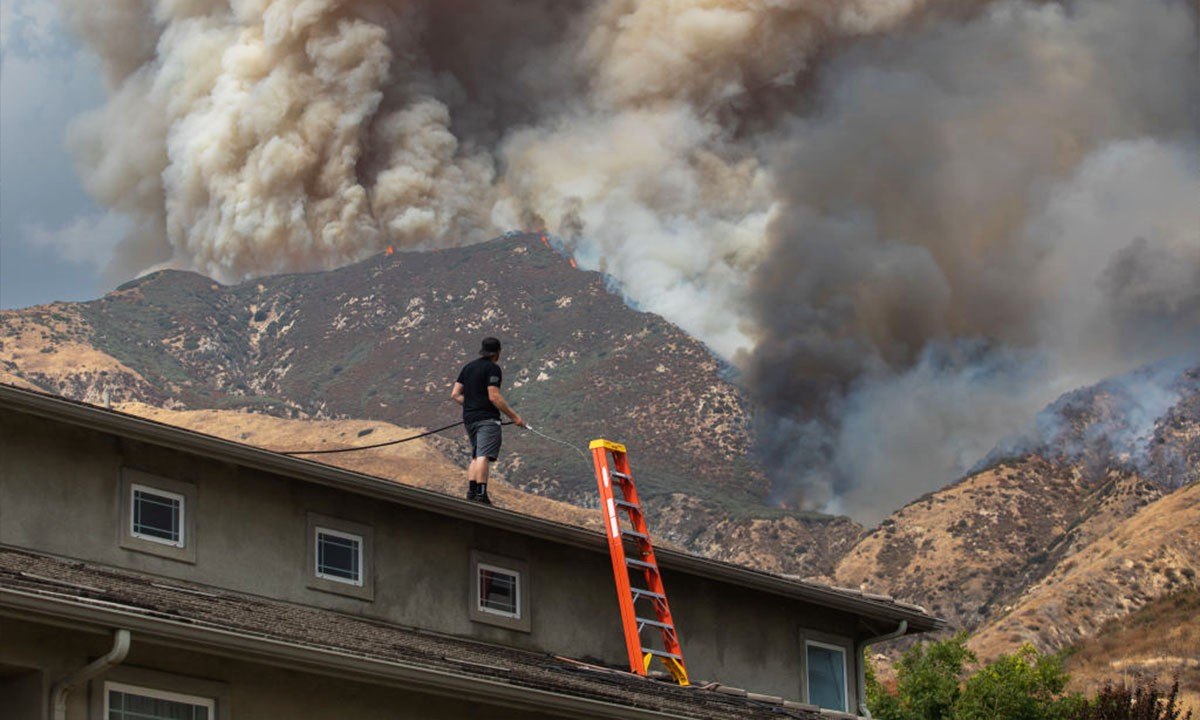
In other words, chronic climate changes, such as rising sea levels or drought, combined with wildfires, like the ones that overwhelmed Los Angeles County last month, hurricanes, and tornadoes—are expected to cause insurance premiums to rise.
Rising insurance costs, in turn, will encourage people to leave high-risk areas and move to more climate-resilient locations.
First Street’s 44-page report estimates that home insurance premiums will surge by 29.4% in the next 30 years. Meanwhile, over 55 million Americans will “voluntarily relocate” within the U.S. to areas less susceptible to climate risks by 2055, beginning with 5.2 million this year alone.
The counties that are expected to be hit the hardest by climate-related population exodus are Fresno County, CA (-45.8%), Ocean County, NJ (-33.3%), and Monmouth County, NJ (32.4%), according to First Street’s detailed analysis.

(Mario Tama/Getty Images)
Sun Belt to feel the pain of climate change
The Sun Belt—the U.S. region stretching across the Southeast and Southwest—is expected to bear the brunt of the climate-related migration.
This marks a sharp reversal from a decades-long trend that saw Americans head to the Sun Belt in search of a better quality of life, more affordable and larger homes, better weather, and often, lower insurance costs.
But climate change is fundamentally disrupting this dynamic by making once-desirable parts of the Sun Belt both riskier and more expensive. Since 1980, the three largest Sun Belt states—Texas, Florida, and California—have absorbed more than 40% of the nation’s $2.8 trillion in natural disaster costs.
“Recent climate-related events weigh heavy on the minds of homeowners and home shoppers alike,” says Realtor.com® senior economic research analyst Hannah Jones. “Home shoppers must consider the high price of home insurance as they set their budget and decide where to call home.”

(Melissa Sue Gerrits/Getty Images)
Homeowners in the Sun Belt are already feeling the squeeze, with insurance premiums rising faster than mortgage payments. Between 2013 and 2022, insurance as a share of mortgage payments jumped from 7%-8% to over 20% of total mortgage costs.
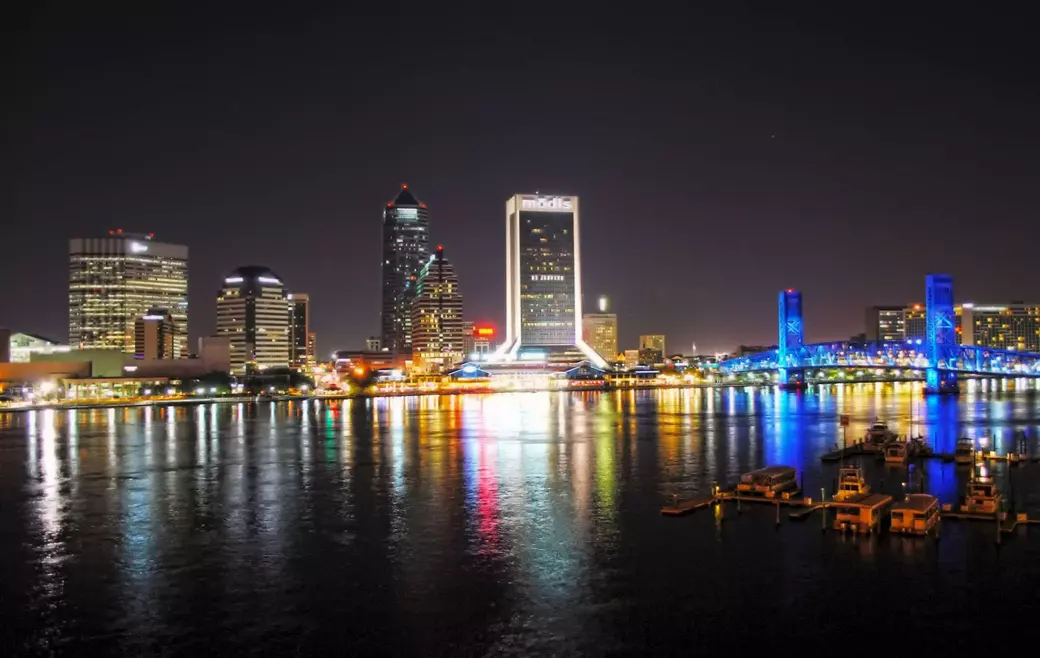
The five largest metros facing the most dramatic insurance premium spikes are all located in that sun-drenched part of the U.S., with Miami facing an eye-watering 322% increase, followed by Jacksonville, FL, with 226%, Tampa, FL, with 213%, New Orleans with 196%, and Sacramento, CA, with 137%.
Strong economies keeping high-risk areas afloat
Despite the growing insurance costs, some locations, including counties in the Miami and Tampa areas, as well as in Houston, are expected to continue to experience population growth on the strength of the local economies and other amenities, which make those regions attractive to homeowners despite the risks.
Houston in particular is an example of how strong economic fundamentals can override climate risks, according to the First Street report.
Despite experiencing multiple large-scale natural disasters, with Hurricane Ike in 2008 and Hurricane Harvey in 2017, which cost the metro a combined total of more than $200 billion, Harris County, which is home to Houston, has grown by 1.3 million residents since 2000.

And the median home values in the area shot up 58% from 2017 to 2022, outpacing national averages.
“This resilience suggests that robust local economies and strong market demand can, at least temporarily, outpace any value losses from even severe climate risks,” the report states.
However, experts warn that this climate resilience in high-risk areas is likely temporary.
“As climate-related risks build, buyer demand is likely to fade in affected areas, which could lead to falling home prices,” Jones says. “Buyer demand could return if prices fall enough to adjust for climbing insurance costs, but the risk of catastrophic weather events may not be enough to convince home shoppers.”
Categories
Recent Posts


"My job is to find and attract mastery-based agents to the office, protect the culture, and make sure everyone is happy! "