
Holiday Lights Go Dark: 15% of Americans Say Electric Bills Are Too High To Decorate
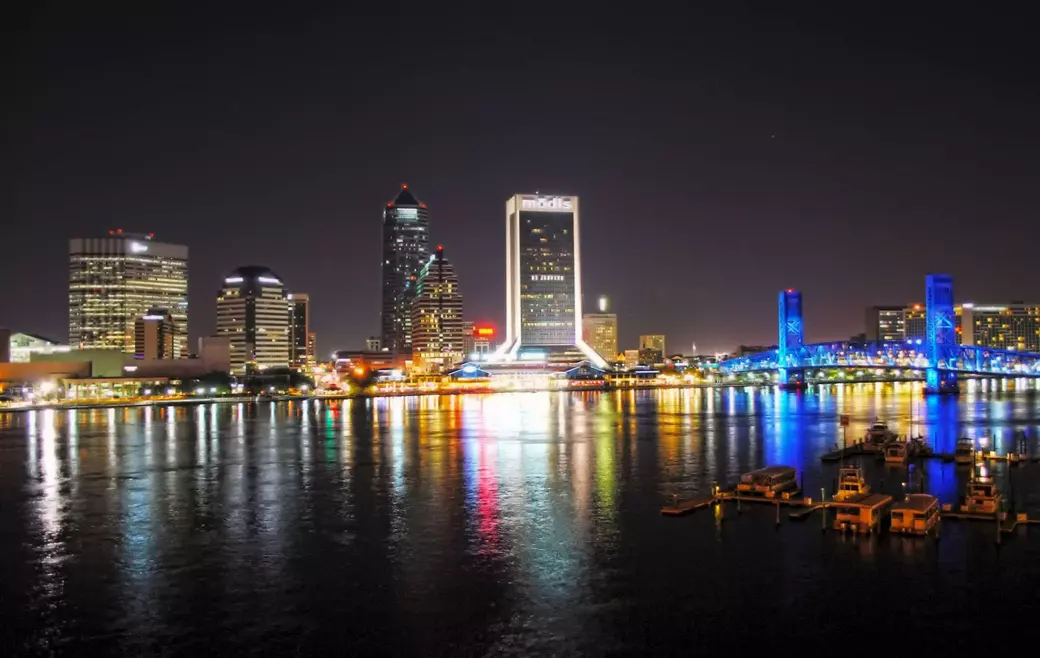
A house full of sparkling lights is sure to put you in the holiday spirit.
However, it doesn’t come cheap.
A new study from Payless Power found that 15% of Americans say their electric bills are too high to decorate.
“The reality is that higher energy costs are quietly altering holiday traditions,” says Brandon Young, CEO of Payless Power in Fort Worth, TX.
Fortunately, a bit of knowledge and creativity is all it takes to keep your electric bills down while still enjoying the holiday lights.
Location shapes holiday lighting costs
Payless Power’s report is based on December electricity usage and rates across all 50 states. It utilizes data from the U.S. Energy Information Administration plus a survey of 1,000 Americans. Usage (kWh) was calculated using sales (million kWh) × 1,000,000.
The report reveals that the differences in electricity costs by state are substantial. For example, while rates for December exceed $200 in states like Connecticut and Hawaii, they remain below $90 in other places like Utah and New Mexico.
“That kind of price gap can significantly impact how much a person is willing to pay for holiday lights or displays,” says Young.
In the Northeast, energy rates tend to be relatively higher, meaning that even moderate energy usage is costly.
For example, Connecticut has the highest average December bill at over $228, despite using relatively low amounts of energy compared to states in the South. On the other hand, Alabama and South Carolina in the South ranked at the top for both usage and total cost due to colder Decembers and having many more energy-intensive homes nationally.
In other regions, homes consumed lower amounts of electricity due to milder winters. For example, places like Utah and Texas benefit from having lower rates.
“This is why they’re among the states that might be able to save the most while still decorating their homes and running their heaters,” adds Young.
How Americans are changing their holiday lighting habits
According to the report, 27% of Americans already factor electricity into their holiday budgets, and another 16% plan to start this year.
“Energy costs used to be a background concern, but are now become a major element of how families consider and celebrate holidays,” explains Young.
The report revealed that 38% percent of people have already changed to energy-efficient decorations, such as LEDs.
“For households still using legacy lights, a full switch to LEDs can easily save $50 to $150 over the month depending on the size of the display,” says Kristina Zagame, senior research of home electrification at EnergySage in Boston.

An additional 21% of Americans have reduced the number of decorations displayed, utilizing less inflatables or other high-consumption decorations.
“Inflatables use motors and can draw 60 to 200 watts each, similar to running another small appliance outside all month. Skipping one large inflatable can save $5 to $15 per month while skipping three or four can save $30 to $50,” says Zagame.
The report also showed that nearly half of Americans are now using smart plugs and timers to control when lights are turned on and off. According to Zagame, timers don’t change your wattage—they simply make sure your lights are only on during the hours people actually see them.
“Most displays run from dusk to late evening (about 4 pm to 11 pm), but a timer set for 5 to 10 pm quietly cuts out two hours a night without too many people noticing. For a big incandescent roofline display, that small shift can save around $40 over the month,” explains Zagame.
Timers also relieve you from having to remember to turn the lights off.
“Accidentally leaving a display on overnight can more than double your lighting costs, so a $10 to $15 timer can easily prevent over $100 of wasted electricity in the month of December,” adds Zagame.
The fact that 42% of people reported being conscious of energy costs before making a decision about decorations shows it’s not just about aesthetics and tradition anymore.
“Individuals are being intentional about how much it costs to power their holiday lights, and they're adapting in smart, cost-friendly ways,” says Young.
Expert-backed ways to save money and still enjoy holiday lights
Contrary to popular belief, it is possible to lower your electric bills without sacrificing holiday spirit. Here are some expert tips to put on your radar this season:
Place lights by mirrors or windows
“When trees or string lights are placed near mirrors or windows, the reflection amplifies the light and brightens the room without using more electricity,” says Joe Haycock, vice president at Fresh Air Concepts in Linthicum Heights, MD.
Invest in fiber optic decorations
Fiber optic decorations can also make the display look brighter and fuller with very little energy.
“Many of these pieces operate on a single bulb,” explains Haycock.
Shorten your display hours
Nobody notices whether lights are on at 11 p.m.—but your electric bill will.
“Even trimming an hour a night saves money,” says Zagame.
Try solar-powered lights
Kate Colarulli, chief strategy officer at CleanChoice Energy in Washington, DC, recommends solar-powered lights.
“They run on sunlight, not your electric meter. Plus, no cords,” she says.
Replace some light strings with extension cords
If part of your setup isn’t as visible, swap in extension cords.
“This will prevent powering unnecessary bulbs,” explains Zagame.
Use timers or smart plugs
“Set lights to turn on at dusk and off after three to four hours to avoid accidentally keeping lights on all night, and unplug lights when you’re not home,” says Zagame.
Even LEDs draw a small amount of standby power. Unplugging (or relying on timers) ensures they’re truly off.
Categories
Recent Posts


"My job is to find and attract mastery-based agents to the office, protect the culture, and make sure everyone is happy! "